
All Posts
-

The Churches Social Identity in 1 Peter 3:9
Snapshot This article unpacks 1 Peter 3:9, showing how Christian identity is shaped by the biblical story through examples like Jesus, Abraham, and David. Instead of reacting with revenge, believers are called to bless—living as exiles who trust God’s justice and inherit His promises. Identity is formed by living in God’s story, not the world’s patterns.…
-

Moral Argument: A Case for the Existence of God
Snapshot The post explores the moral argument for the existence of God. Objective moral values, obligations, and the need for moral transformation point to something beyond naturalistic explanations to a theistic foundation. We will examine the authority of the universality of moral facts, addressing objections like the Euthyphro Dilemma and Divine Command Theory. Naturalism does…
-

Disadvantages of Inerrancy: Developing a New Term
Snapshot This post explores the doctrine of biblical inerrancy—its historical roots, evangelical development, and modern challenges. While church history shows a consistent belief in Scripture’s truthfulness, the term inerrancy gained prominence after the Enlightenment, especially in America. The blog critiques overly rigid uses of the term, shows how it can be misunderstood, and argues for a more…
-

The Failure of Arius to Understand Monotheism
The heretical views of Arius and the trinity led to the Athanasius leading the charge to fight for Christian monotheism as it was under threat. The results of this debate has formed Christianity over the last 2,000 years.
-
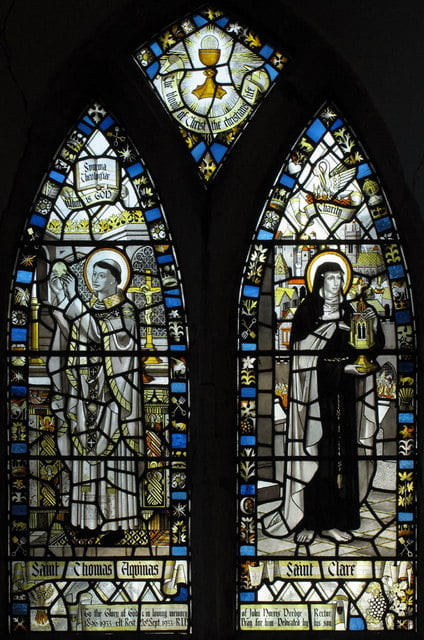
Aquinas Theodicy: Vindication of God in light of Evil
Snapshot Is it possible for an all-powerful God to exist in a world that is filled with great evil? Thomas Aquinas offers a deep, reasoned theodicy grounded in divine goodness, perfection, and omnipotence. In this post, we explore how Aquinas explains evil not as a created substance, but as a privation of good. This is…